What we build with
We're never the first users of a newly released tool. We choose technologies that have stood for years, are well documented and can be maintained by others after us.
Written for the work itself
If off-the-shelf software doesn't fit your workflow, there are two options: bend the workflow to the program, or write the program for the work. We do the second.
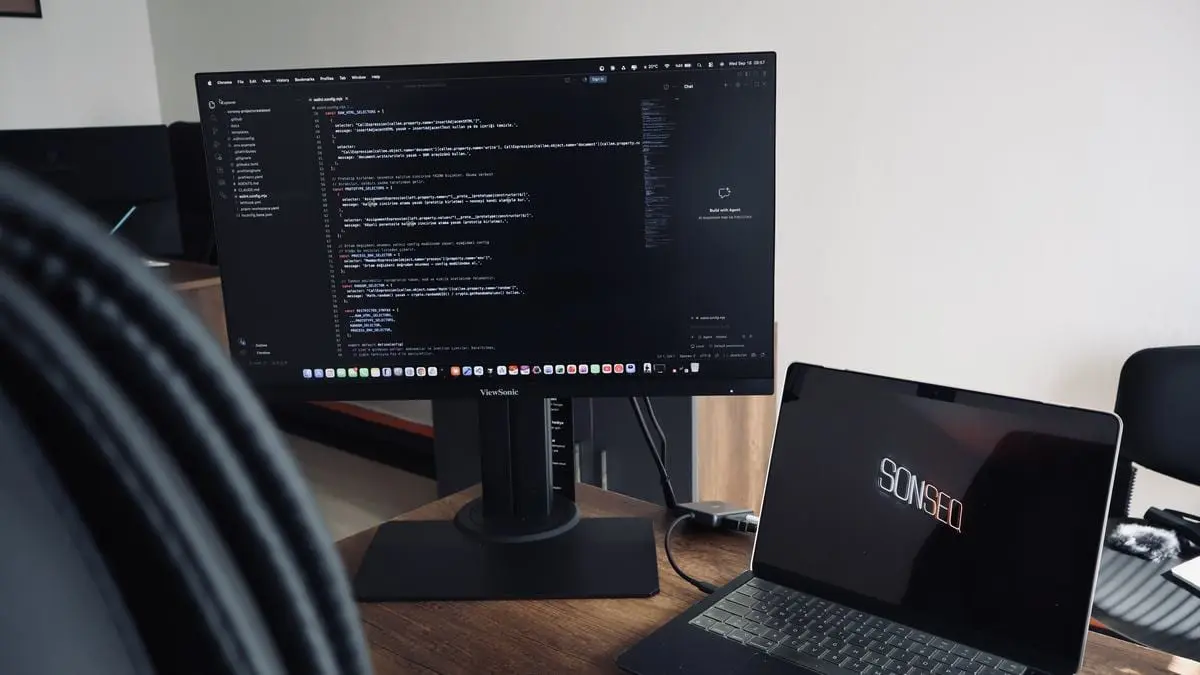
Most businesses start with an off-the-shelf package, and it does the job up to a point. Then something comes up that the package never accounted for — a second warehouse, a different pricing rule, the field team's own form. From then on, work gets done by going around the program: Excel files, WhatsApp groups, notebooks kept by hand.
A system written from scratch removes that detour. You don't pick from a list of ready-made modules: it can be stock or service records, or a workflow that exists only in your business — whatever your work is, that's what gets built; you don't pay for modules you don't use. Permissions are set per person: who sees what and who can change what is clear from the start.
On mobile, iOS and Android aren't written as separate products. They come from a single codebase; a fix reaches both stores at the same time. The setup where two teams work to two schedules and the two apps drift apart over time never takes shape.
If part of the app needs to work offline — counting stock in the warehouse, a form in the field — the data is kept on the device and synced when the connection returns. No record is lost on a construction site or in a basement.
We watch a day of yours: which record is kept where, how many times each piece of information changes hands. The software comes from there, not from a ready-made list of modules.
Not everything at once: we build the part that eats up the most time first. While the team uses it, the rest takes shape around it.
Old data is migrated, the team is trained, and both systems run side by side for a while in case we need to roll back. Then we pull the plug on the old one.
We're never the first users of a newly released tool. We choose technologies that have stood for years, are well documented and can be maintained by others after us.
Server, domain and app store accounts are opened in your business's name and handed over to you free of charge when you leave maintenance. Transfer of the source code is set out in the contract.

Corporate websites that load fast, show up in search and look right on phones and desktops alike. The same team builds the e-commerce and booking side.
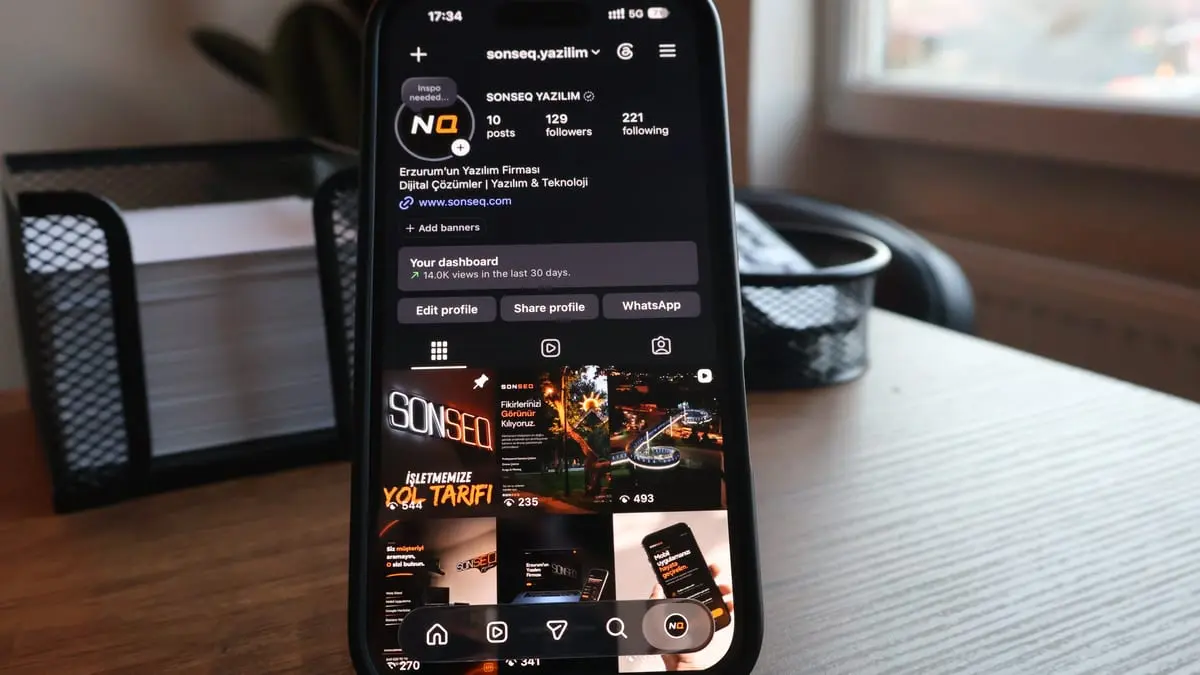
Content calendar, design production and posting; setup, budget tracking and a monthly report on Meta and Google.
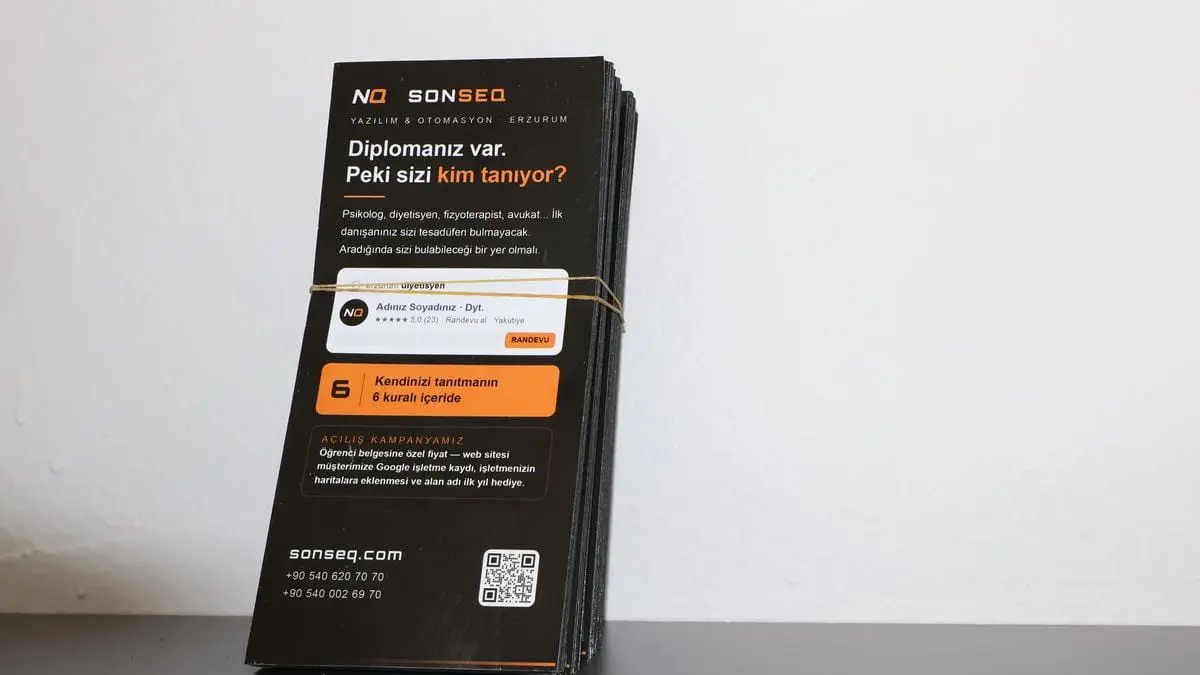
Logo, corporate identity, posters, brochures, business cards and packaging. Files are delivered print-ready.
Let's work out together what is slowing you down.
Reach us every day: 08:00 – 20:00